Online Color Decision

How to Choose Hair Color Online

Choosing hair color online works best when you use it to compare a small set of plausible directions, not to chase every trend in a random gallery. A clear photo and a structured shortlist make the result more useful.

A virtual preview is a visual planning aid. It cannot confirm lightening safety, predict color chemistry, or replace a stylist's assessment of prior dye and hair condition.

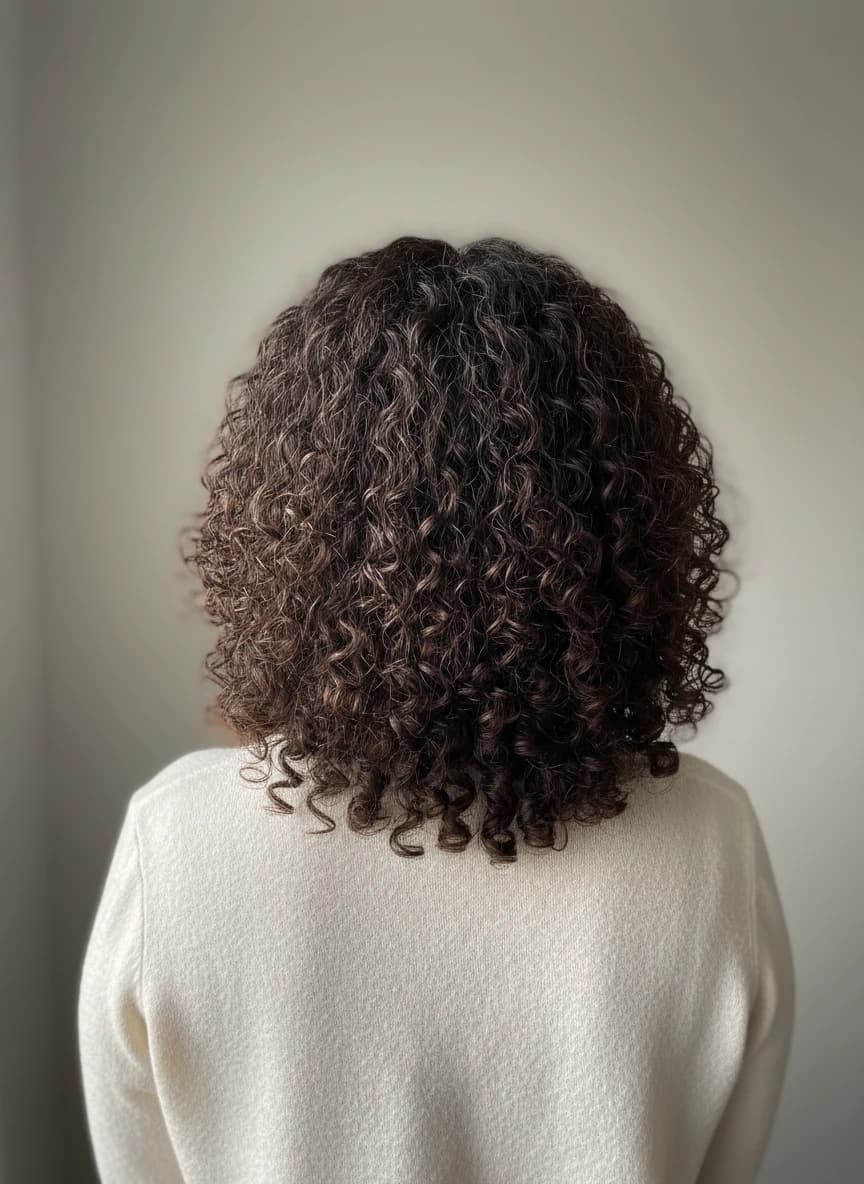
Original portrait used to compare online hair color planning optionsSource photo

Shade directions

Warm Direction

Copper-like warmth creates a more visible color change.

Balanced Direction

Chestnut depth keeps the change close to a natural brunette frame.

Cool Direction

Smoky silver shifts the image toward a higher-contrast, higher-lift target.

Online Color Planning Shade Reference. Preview results vary by photo, lighting, and plan.

Why use it

  • Replace a random gallery with a focused shortlist.
  • Compare visual contrast on the same portrait.
  • Prepare clearer questions for a stylist.

Best for

  • Choosing a first major color change
  • Narrowing a salon inspiration board
  • Comparing a safe fallback with a bolder target

Photo tips

  • Start with a neutral, unfiltered portrait.
  • Test no more than three directions at once.
  • Save both the favorite and a practical backup.

Start with a shortlist built around change, not a trend name

Begin by deciding how much visible change you want: a close-to-natural refresh, a warmer or cooler shift, or a high-lift transformation. Then select one candidate in each useful direction instead of generating ten versions of the same color family. Looking at a warm, balanced, and cool option on one photo makes facial contrast, eyebrow definition, and the difference between subtle and dramatic change easier to judge. This also gives a stylist a useful range to discuss rather than a vague request for a color that may mean different things to different people.

  • Keep one option near your current depth as a fallback.
  • Compare the hairline and shaded lengths, not only bright highlights.
  • Remove candidates whose maintenance already exceeds your routine.

Use the preview to ask better questions, not to predict dye chemistry

An online preview can show which visual direction you prefer, but it cannot account for permanent color buildup, uneven porosity, bleach history, or how quickly your hair can lift safely. Save the two strongest results and tell the stylist which elements matter: brightness, warmth, root contrast, or how visible the color is indoors. Ask what starting base is required, whether an intermediate shade is sensible, and what fading or root maintenance will look like. Treating these practical constraints as part of the selection makes an online choice more durable than picking solely from a filtered image.

  • Share all previous color and chemical service history.
  • Ask for an achievable first-session target when lift is required.
  • Discuss the faded stage and upkeep before booking a bold color.

How to Choose Hair Color Online FAQ

Practical answers before you upload a photo or choose a shade.

>Can I accurately choose hair color online?

You can compare visual direction and contrast, but a preview cannot predict exact dye chemistry, lift, fading, or hair condition.

>How many hair colors should I try at once?

Three focused directions are usually more useful than a large gallery: one close to your current depth, one directional change, and one bolder alternative.

>Should I choose hair color by skin tone only?

No. Skin tone is one signal; facial contrast, brows, eyes, natural depth, lifestyle, and maintenance all affect the decision.

>What should I show a stylist after an online preview?

Bring your preferred and backup previews, plus notes about desired brightness, warmth, maintenance, and your complete color history.

Ready to preview the color?

Upload a clear photo, choose a preset or custom shade, and compare realistic AI hair color ideas before you commit.

Start coloring now

Compare related hair color guides