Choose Before You Color

What Hair Color Suits Me?

The most useful hair color choice is not based on one skin-tone rule. It balances how warm or cool a shade feels, how much contrast it creates around your face, what your current hair can realistically become, and how much maintenance you want.

Use the four checks below to build a shortlist, then preview the same two or three options on one clear portrait. Comparing consistent photos gives you better evidence than judging unrelated inspiration images.

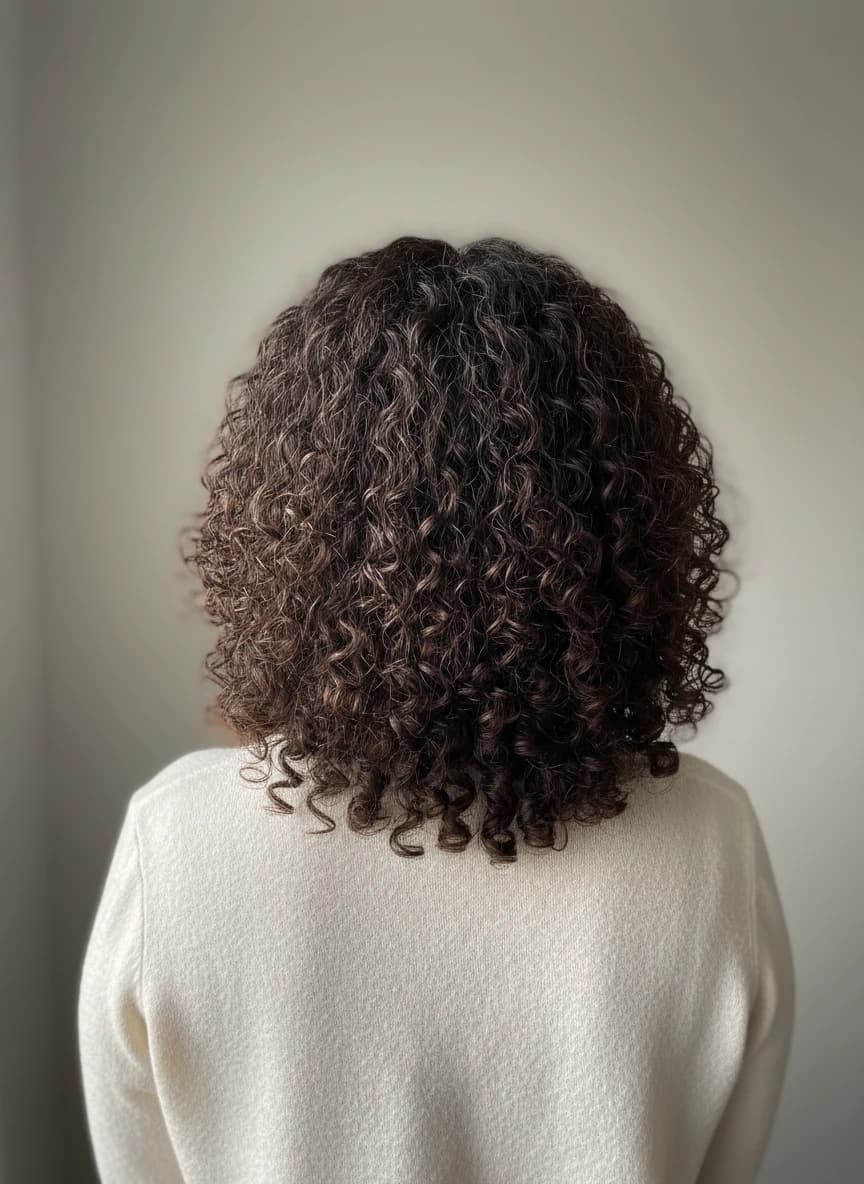
Before photo for Warm Rose Gold OptionBefore
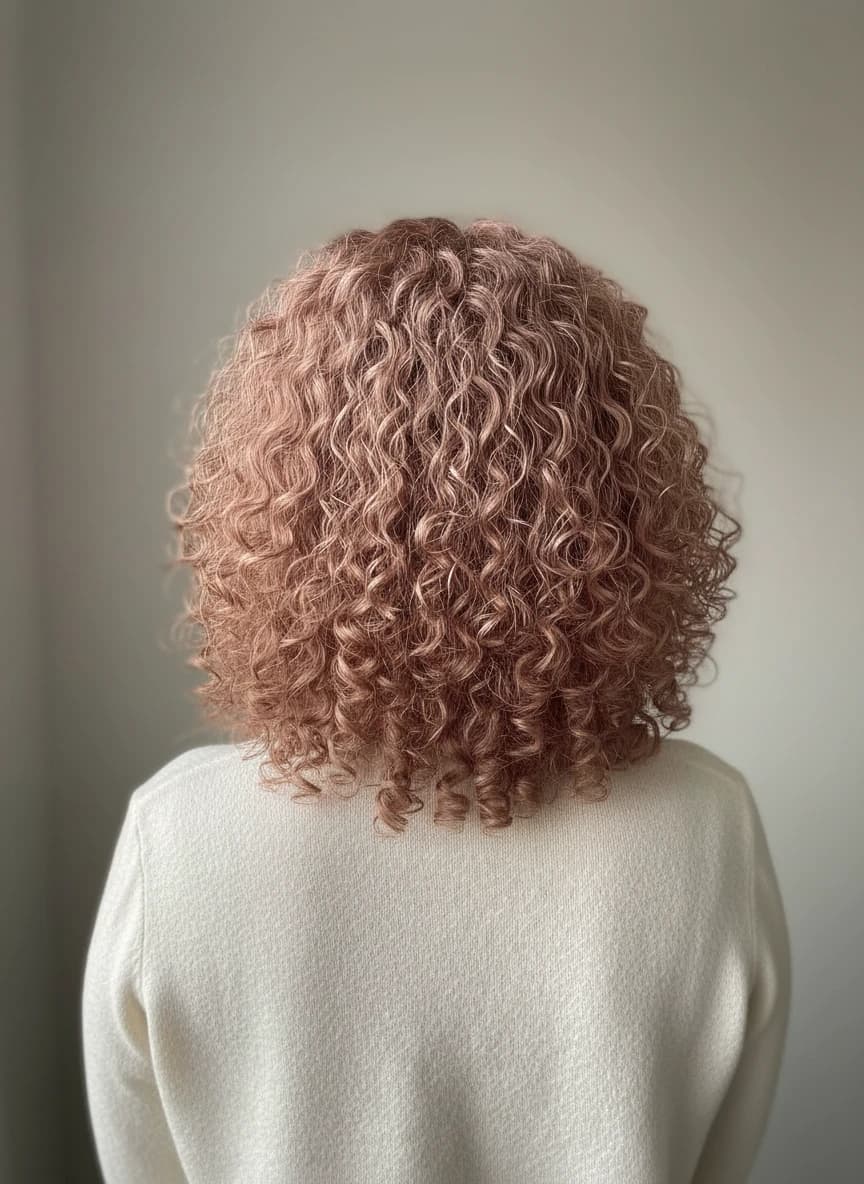
Warm rose gold option used in a personal hair color comparisonAfter
Warm Rose Gold Option. Preview results vary by photo, lighting, and plan.

Why use it

  • Build a shortlist from several practical factors instead of a rigid skin-tone chart.
  • Compare colors on the same face, lighting, and hairstyle.
  • Separate a visually appealing idea from the upkeep it may require.

Best for

  • Choosing between warm and cool color families
  • Deciding how much facial contrast feels comfortable
  • Preparing two or three references for a stylist consultation

Photo tips

  • Check undertone in neutral daylight rather than warm bathroom lighting.
  • Keep one natural option and one bolder option in your shortlist.
  • Treat an AI preview as decision support, not a guarantee of dye chemistry.

Use four checks instead of one skin-tone rule

Start with undertone, but do not stop there. Notice whether your face has low, medium, or strong natural contrast; consider how much lifting your current hair may need; and decide how often you are willing to refresh roots or toner. A shade that looks flattering but conflicts with your maintenance budget is rarely the best personal choice.

  • Undertone: compare warm, cool, and neutral directions in daylight.
  • Contrast: decide whether the hair should softly blend with or strongly frame your face.
  • Starting color: account for how far the target sits from your current level.
  • Maintenance: include root growth, fading, toner, and salon frequency.

Compare a controlled shortlist on your own photo

Choose no more than three meaningfully different options and generate them from the same well-lit portrait. Keep the crop, expression, and lighting consistent so color is the main variable. Review the previews at normal size, then compare them with your usual clothing and makeup rather than zooming in on tiny rendering differences.

  • Include one low-risk natural shade as a baseline.
  • Include one warmer or cooler alternative to test undertone.
  • Include one bolder option only if you would realistically maintain it.

What Hair Color Suits Me FAQ

Practical answers before you upload a photo or choose a shade.

>Should I choose hair color only from my skin undertone?

No. Undertone is useful, but facial contrast, starting color, wardrobe, and maintenance can change which option works best for you.

>How many colors should I compare at once?

Two or three distinct options are usually enough. A very large set makes small differences harder to judge and weakens the decision.

>Does an AI preview predict the exact salon result?

No. It shows visual direction. A stylist still needs to assess lift, previous dye, hair condition, toner, and maintenance.

>What photo should I use to choose a color?

Use a sharp portrait in balanced daylight with your hairline, lengths, and natural skin tone clearly visible.

Ready to preview the color?

Upload a clear photo, choose a preset or custom shade, and compare realistic AI hair color ideas before you commit.

Start coloring now

Compare related hair color guides