Try Purple Hair Online

Purple Hair Color Changer

Purple hair ranges from airy lavender to electric violet and near-black plum. Trying those levels on your own photo makes it easier to judge whether you want softness, brightness, or dramatic depth.

Keep the same portrait while testing red-leaning and blue-leaning purples. That controlled comparison reveals more than unrelated inspiration photos with different faces, lighting, and editing.

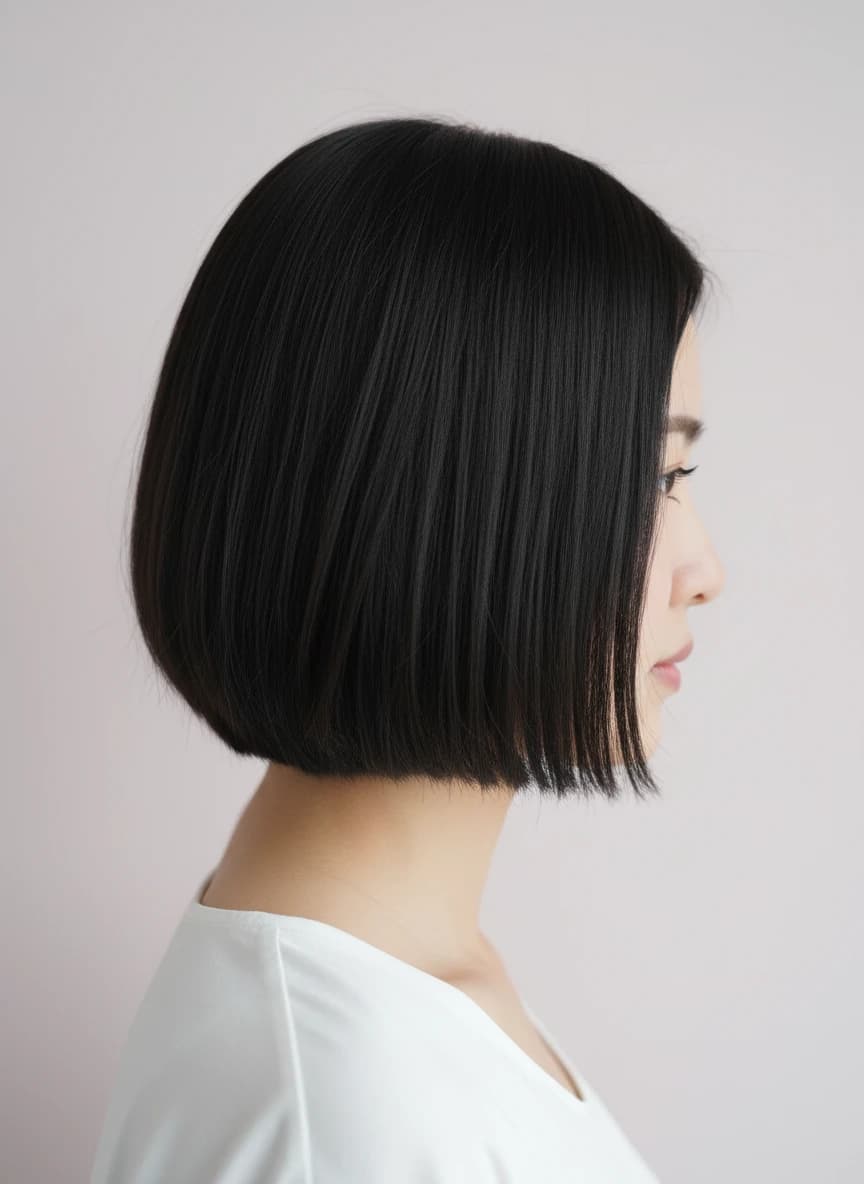
Original portrait prepared for comparing lavender violet and plum hairSource photo

Shade directions

Lavender

Pale blue-purple with a soft, airy finish.

Violet

Balanced saturated purple with clear fashion impact.

Orchid

Warmer purple with a visible pink-red pull.

Deep Plum

Dark red-purple that reads subtle away from bright light.

Purple Shade Planning. Preview results vary by photo, lighting, and plan.

Why use it

  • Compare pale, vivid, and deep purple without changing portraits.
  • Judge whether a red-purple or blue-purple direction fits your coloring.
  • Prepare a clearer reference for discussing lift and pigment with a stylist.

Best for

  • Choosing a first creative shade
  • Comparing lavender with deep plum
  • Planning a cool jewel-tone color for an event

Photo tips

  • Use a photo without strong magenta or blue room lighting.
  • Compare purple shades at equal image exposure and contrast.
  • Consider the faded color, not only the first-day result.

Separate lightness from red and blue undertones

Lavender is primarily a lightness decision: it needs a pale, even base so the shade stays airy rather than gray-brown. Violet keeps more saturation and can lean blue for a cooler electric result or red for a warmer orchid effect. Plum is much deeper and may look almost black indoors before showing purple in direct light. Preview a pale, medium, and deep option first, then compare warmer and cooler versions at the depth you prefer.

  • Lavender creates the softest result but usually requires the most lift.
  • Blue-violet feels cooler and sharper, while orchid moves closer to magenta.
  • Deep plum offers lower visible brightness but can still create strong facial contrast.

Plan for the base color and the shade that appears after fading

Purple pigment does not fade in one universal direction. A blue-heavy formula can become smoky or greenish on a yellow base, while a red-heavy violet may soften toward pink. Existing permanent color, uneven porosity, and the amount of safe lift all affect the path. Ask what your base will reveal underneath the chosen purple, then decide whether you would still like the intermediate faded tone between refresh appointments.

  • A strand test can reveal whether old dye creates uneven violet or plum areas.
  • Choose a deeper shade when frequent pastel refreshes do not fit your routine.
  • Use the preview to communicate hue and depth separately during a consultation.

Purple Hair Color Changer FAQ

Practical answers before you upload a photo or choose a shade.

>Can I try lavender hair online?

Yes. Preview a pale lavender and compare it with medium violet and deep plum on the same photo.

>Does purple hair work on dark hair?

Deep plum can remain visible on a darker base, while bright violet and lavender usually need more lift for a clean result.

>Should I choose red-purple or blue-purple?

Compare both on the same portrait. Red-purple feels warmer and closer to magenta, while blue-purple looks cooler and more electric.

>Why can purple hair fade unevenly?

Porosity, previous dye, base warmth, washing, and pigment balance can make different sections release color at different rates.

Ready to preview the color?

Upload a clear photo, choose a preset or custom shade, and compare realistic AI hair color ideas before you commit.

Start coloring now

Compare related hair color guides