Dark-to-Silver Planning

Silver Hair on Dark Hair

Silver hair on a dark base is a high-contrast change that usually depends on reaching a light, even foundation before a gray or metallic toner can look clean. Start by choosing whether you want smoky silver or pale platinum brightness.

A preview can help select the visual direction, but it cannot predict safe lift, number of sessions, or how old color will respond.

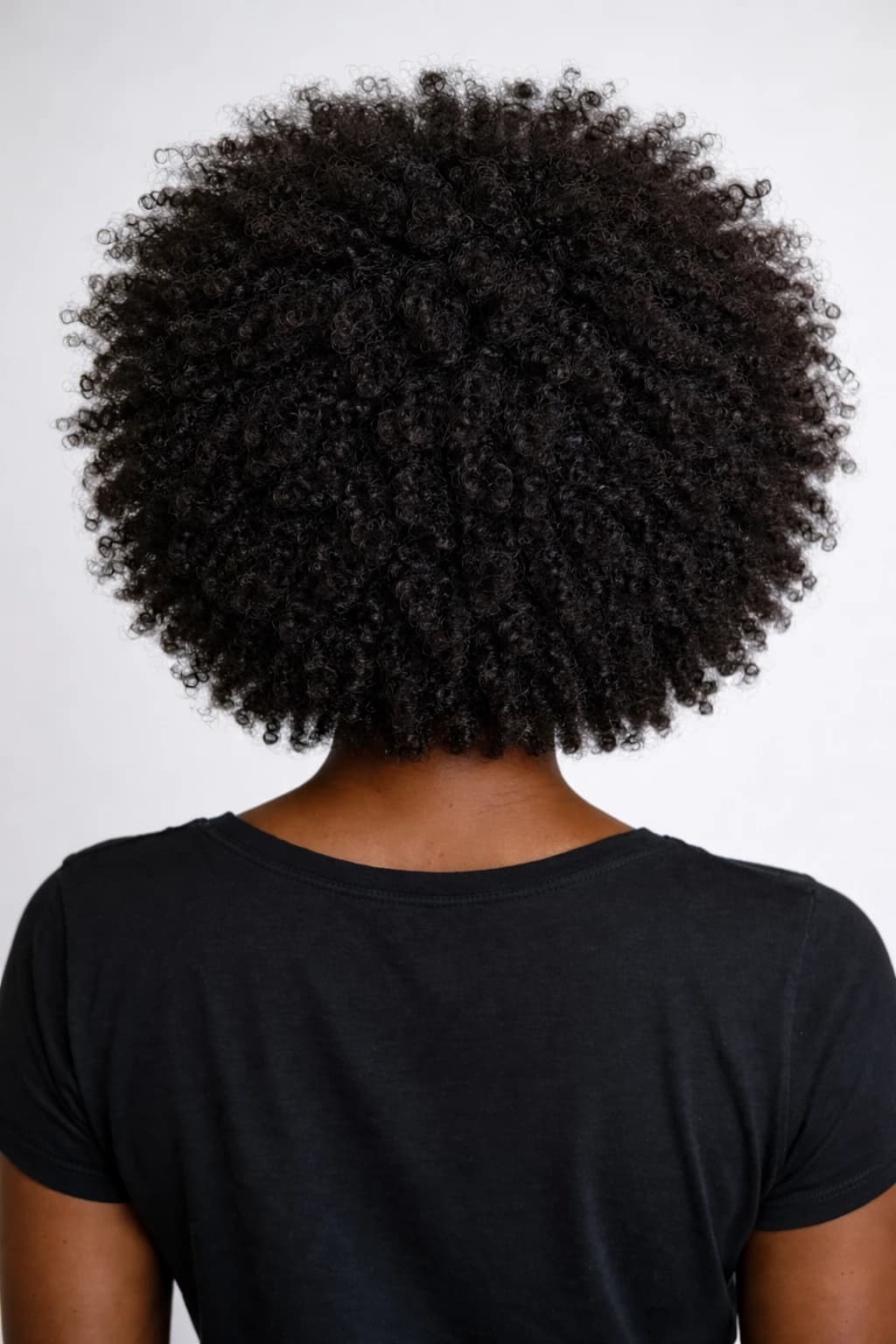
Original portrait for silver hair planning from a dark starting baseSource photo

Shade directions

Smoky Silver

A muted gray with visible depth.

Icy Silver

A bright cool gray that needs a very light base.

Platinum

A pale blonde with controlled warmth rather than gray character.

Silver Shade Reference. Preview results vary by photo, lighting, and plan.

Why use it

  • Separate a silver visual goal from the chemical lift path.
  • Compare smoky and icy outcomes before toning.
  • Prepare questions about sessions, condition, and upkeep.

Best for

  • Planning a dark-to-silver transformation
  • Choosing silver versus platinum
  • Understanding toner and yellow control needs

Photo tips

  • Show your stylist any prior dark dye.
  • Compare silver in bright and shaded lighting.
  • Plan toner maintenance before choosing the lightest target.

Silver needs an even, light foundation

Dark hair contains strong underlying warm pigment that becomes red, orange, and yellow as it lifts. A gray or metallic silver toner generally needs a very light, even foundation; otherwise the result can look patchy, beige, or warmer than intended. Smoky silver can tolerate more depth than a bright icy target, but it still relies on controlled underlying warmth. A preview is useful for choosing how much gray character you want, not for predicting that every dark base can reach it safely in one appointment.

  • Icy silver usually needs the palest, cleanest base.
  • Smoky silver can read deeper but still needs even lift.
  • Platinum may be a better target when brightness matters more than gray tone.

Plan sessions, toner, and yellow control together

Previous black dye, uneven porosity, fragile lengths, and new root growth can all make a dark-to-silver service more complex. A stylist may recommend staged lifting, bond-support measures, trimming, or a lower-contrast intermediate shade instead of forcing an unsafe result. Once silver is achieved, toner can soften and underlying yellow can become visible, so maintenance includes product choices, water exposure, and refresh appointments. Ask for an honest timeline and an acceptable intermediate color before committing to the most extreme visual target.

  • Ask whether a strand test is appropriate before major lightening.
  • Discuss an intermediate blonde or smoky result as a safer plan.
  • Choose maintenance products only with guidance for your specific tone and condition.

Silver Hair on Dark Hair FAQ

Practical answers before you upload a photo or choose a shade.

>Can dark hair become silver?

It can be a possible long-term visual goal, but the safe path depends on your natural depth, previous dye, condition, and ability to reach an even light base.

>Does silver hair need bleach?

Dark and medium starting colors commonly need significant lift before silver toner can look clean. A stylist should evaluate the process.

>Why does silver hair turn yellow?

Toner fades and warm underlying pigment can show through. Water, washing, sunlight, porosity, and the lift level all influence the result.

>Is silver harder to maintain than platinum?

Both are demanding. Silver often needs its gray cast refreshed, while platinum needs continued control of warmth and visible roots.

Ready to preview the color?

Upload a clear photo, choose a preset or custom shade, and compare realistic AI hair color ideas before you commit.

Start coloring now

Compare related hair color guides