Brown Hair Comparison

Ash Brown vs Chocolate Brown Hair

Ash brown reduces visible orange or red reflection, while chocolate brown keeps a richer warm depth. Neither is a universal best choice: the useful comparison is how each temperature changes contrast on your face.

Test both on the same clear photo and ask a stylist how your starting warmth, previous dye, and desired fade stage affect the formula.

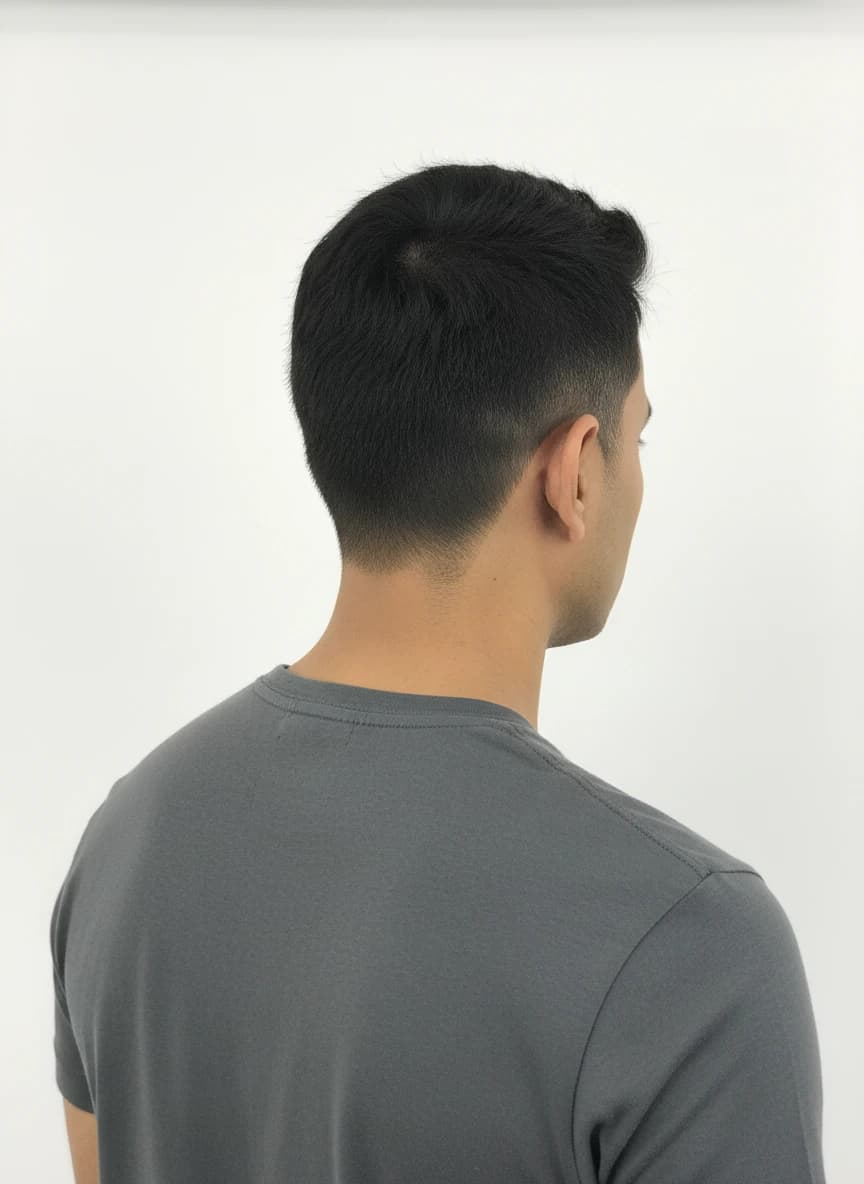
Original portrait for ash brown and chocolate brown planningSource photo

Shade directions

Ash Brown

Muted cool brown with reduced orange reflection.

Mushroom Brown

Soft neutral-cool middle ground.

Chocolate Brown

Deep warm brown with rich reflected light.

Brown Shade Reference. Preview results vary by photo, lighting, and plan.

Why use it

  • Separate temperature from lightness in a brown choice.
  • Compare warm richness with a cool muted finish.
  • Use the result as a more precise salon reference.

Best for

  • Correcting unwanted warmth
  • Choosing a darker natural refresh
  • Finding brown that supports facial contrast

Photo tips

  • Avoid warm bathroom light when judging ash.
  • Compare at equal brightness, not only by swatch.
  • Ask which warmth may reappear as toner fades.

Start with reflected warmth, not with the word brown

Ash brown is designed to look muted, with gray, beige, or cool undertones that reduce visible orange and red reflection. Chocolate brown has more warm depth, which can read glossy, rich, and softer in low light. The exact lightness can overlap, so a dark ash brown may still look deeper than a medium chocolate. Compare equal-depth references in neutral light; otherwise a brighter photo can make one temperature appear more flattering for reasons unrelated to color.

  • Ash is useful when you want a quieter, cooler brown.
  • Chocolate is useful when you want warmth without moving into red.
  • Mushroom brown can bridge the two directions.

Expect the starting base to influence the fade

Natural warmth and previous permanent color do not disappear simply because a shade name says ash. On a warm or porous base, cool toner can fade and reveal orange or reddish reflection again, while a chocolate formula can become warmer in sunlight. Discuss the underlying pigment, gloss or toner schedule, and how much warmth you are comfortable seeing between appointments. A virtual preview is a way to select the visual goal, not proof that every base can hold it with the same maintenance.

  • Show your stylist both the first-day goal and an acceptable faded stage.
  • Use a strand test if old dye makes tone correction uncertain.
  • Choose depth and temperature together, not as separate afterthoughts.

Ash Brown vs Chocolate Brown Hair FAQ

Practical answers before you upload a photo or choose a shade.

>Is ash brown lighter than chocolate brown?

Not necessarily. They describe undertone more than a fixed depth, so either can be lighter or darker depending on the formula.

>Does ash brown remove orange tones?

It can visually counter warmth when the base is prepared appropriately, but toner and dye fade differently on each hair history.

>Is chocolate brown warm or neutral?

Chocolate brown usually carries visible warm richness, though individual formulas can range from nearly neutral to more red-brown.

>Which brown needs less maintenance?

Maintenance depends on your starting base and color history. A closer-to-natural depth often makes root contrast less noticeable, but a stylist can advise on tone refreshes.

Ready to preview the color?

Upload a clear photo, choose a preset or custom shade, and compare realistic AI hair color ideas before you commit.

Start coloring now

Compare related hair color guides