Compare Brown Hair Shades

Brown Hair Color Changer

Brown hair is not one neutral middle option. Chocolate and chestnut can feel rich and warm, ash brown reduces visible warmth, and caramel adds lighter golden movement. Comparing those families first makes a brown preview more useful.

Start with the shade guide below, then test one warm and one cool brown on the same clear portrait. Keeping the source photo consistent makes warmth, depth, and preserved strand detail easier to compare.

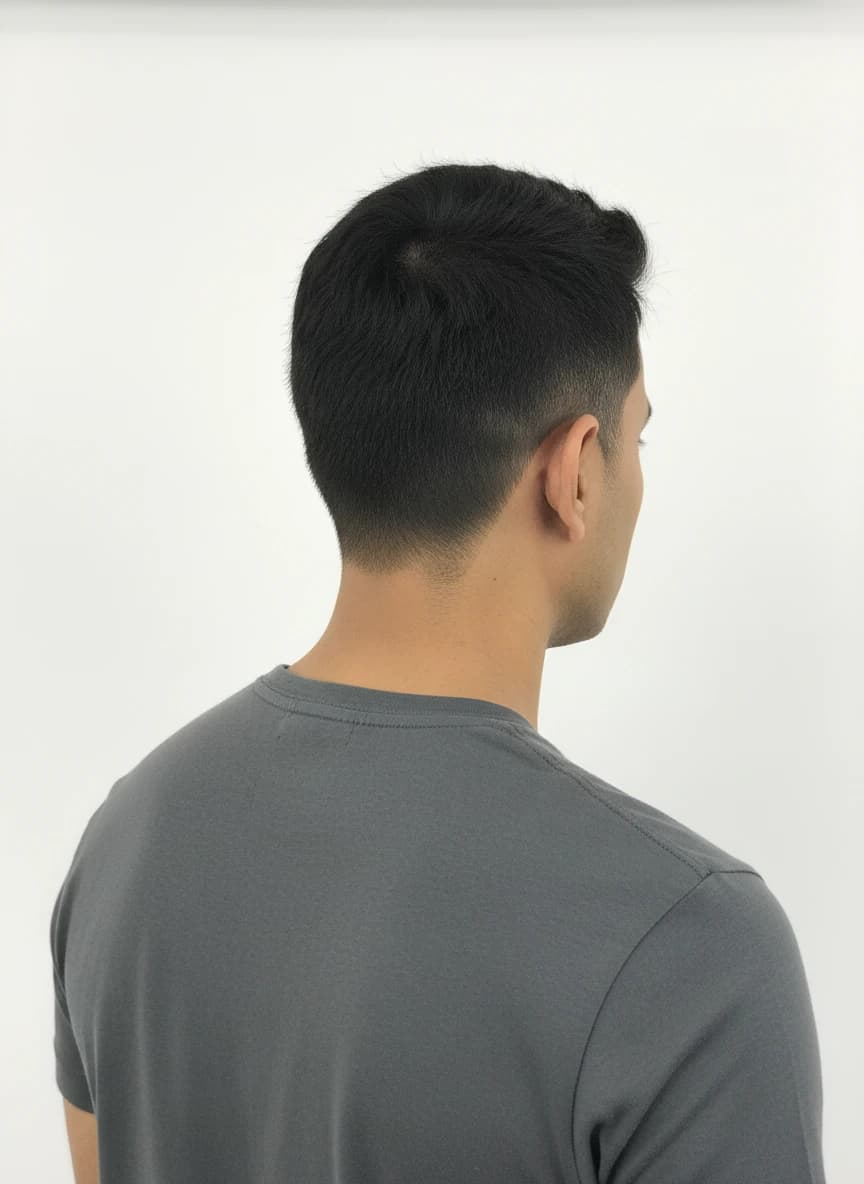
Original portrait prepared for testing several brown hair shadesSource photo

Shade directions

Chocolate Brown

Rich and warm, with enough depth to feel polished without reading as black.

Chestnut

A medium warm brown with a subtle red direction that becomes clearer in daylight.

Ash Brown

A muted cool brown for reducing orange or red warmth in the visual direction.

Caramel

A lighter golden brown that creates more brightness and visible contrast.

Original Portrait for Brown Shade Testing. Preview results vary by photo, lighting, and plan.

Why use it

  • Compare warm, cool, deep, and lighter brown families before generating.
  • Avoid treating every brunette reference as the same color goal.
  • Create a clearer shade reference for a salon conversation.

Best for

  • Moving from black hair toward a softer dark shade
  • Choosing between chocolate, chestnut, and ash brown
  • Testing a natural-looking change with manageable upkeep

Photo tips

  • Judge warm brown shades in neutral daylight to avoid extra orange cast.
  • Use a bright source photo so deep brown does not lose strand detail.
  • Ask a stylist how previous dye affects lighter caramel goals.

Match the brown family to the change you want

Chocolate brown adds rich warmth while staying deep, chestnut introduces a more visible red influence, ash brown creates a cooler and more muted direction, and caramel adds golden brightness. Choose between those families before fine-tuning a color picker, because warmth and depth usually affect the overall impression more than a small hex-value difference.

  • Choose chocolate when you want depth and warmth without going fully black.
  • Choose chestnut when a subtle auburn influence is part of the goal.
  • Choose ash brown when you want a cooler, less orange direction.
  • Choose caramel when added brightness matters more than maximum depth.

Protect detail when previewing brunette shades

Dark source photos can make different brunette previews collapse into one flat result. Use a portrait with visible strand detail and balanced light around the hairline, then compare one warm and one cool option from the same source. Review the mid-lengths and highlights as well as the roots, because those areas reveal whether the preview preserves useful texture.

  • Avoid photos where the hair blends into a dark wall or dark clothing.
  • Compare warm and cool browns at a similar depth before changing brightness.
  • Use the result as a shade reference, then confirm dye feasibility with a stylist.

Brown Hair Color Changer FAQ

Practical answers before you upload a photo or choose a shade.

>Can I try brown hair online?

Yes. Choose a brown preset or custom shade and generate a preview from a clear portrait with visible hair detail.

>What is the difference between chocolate and chestnut brown?

Chocolate is usually deep and warmly neutral, while chestnut has a more noticeable red or auburn influence, especially in daylight.

>How is ash brown different from warm brown?

Ash brown is cooler and more muted. Warm browns lean golden, copper, or red and often appear brighter in warm light.

>Why do dark brown previews sometimes look flat?

Low-light source photos may not contain enough visible strand detail. Use brighter, balanced lighting and keep the hair separate from a dark background.

Ready to preview the color?

Upload a clear photo, choose a preset or custom shade, and compare realistic AI hair color ideas before you commit.

Start coloring now

Compare related hair color guides