Warm Brown Comparison

Caramel vs Chestnut Brown Hair

Caramel brown is lighter and more golden, while chestnut stays deeper with a red-brown warmth. The choice changes not only color but also how obvious roots, highlights, and maintenance may feel.

Preview both on the same portrait, then ask a stylist whether your starting color can reach the desired brightness without an unwanted orange or red stage.

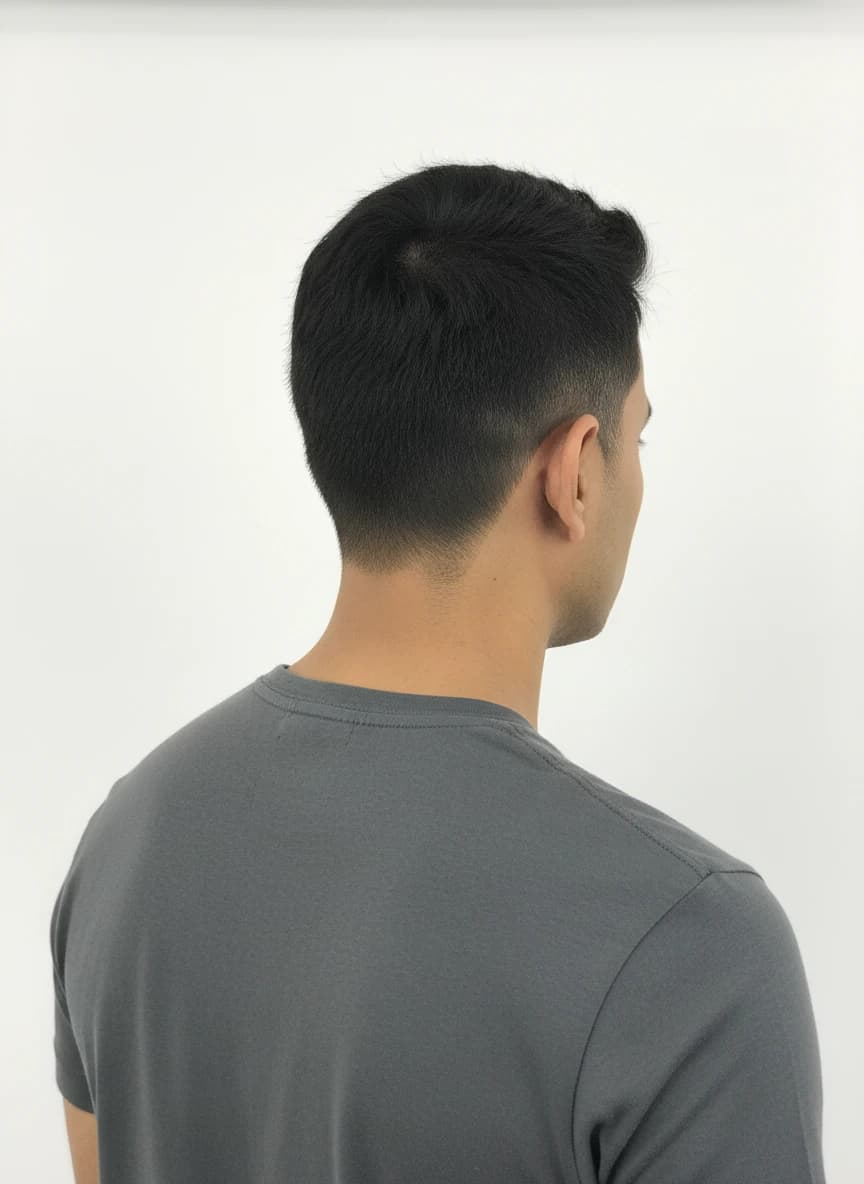
Original portrait for caramel and chestnut brown planningSource photo

Shade directions

Caramel

A lighter golden brown with visible warmth.

Honey Brown

A bright warm midpoint with softer gold.

Chestnut

A medium-deep brown with subtle red warmth.

Warm Brown Shade Reference. Preview results vary by photo, lighting, and plan.

Why use it

  • Compare brightness and warmth at the same time.
  • Understand root contrast before booking a lighter service.
  • Create a clear warm-brown reference for a stylist.

Best for

  • Choosing a warm brunette refresh
  • Moving from dark hair to a lighter brown
  • Deciding between gold and red-brown reflection

Photo tips

  • Inspect warm shades in neutral daylight.
  • Compare roots as well as the brightest lengths.
  • Ask how a gloss differs from a lifted caramel service.

Caramel adds brightness; chestnut keeps more depth

Caramel is usually a golden brown that reflects more light, so it can look brighter around the face and more noticeable against a dark natural root. Chestnut remains closer to a medium or deep brunette range and adds a quieter red-brown glow. They can overlap in warmth, but not in visual contrast. If the goal is a sunlit, lighter effect, caramel is the clearer direction; if you want warmth with less visible lift, chestnut usually keeps the result more grounded.

  • Caramel creates more lightness and golden reflection.
  • Chestnut creates more depth and subtle red warmth.
  • Honey brown can be a useful midpoint to preview.

Compare the root transition and the upkeep

A lighter caramel target may require lifting selected areas or the full length, which can increase visible root contrast and make warm fading more noticeable. Chestnut often stays closer to deeper starting hair and may blend roots more softly, although any formula can shift with sun, washing, and porosity. Discuss whether you want all-over brightness, dimensional placement, or a low-contrast gloss. The best maintenance choice is based on your natural root, budget, and preferred refresh interval rather than a blanket claim that one shade is easy.

  • Bring a root-to-length reference, not only a highlight photo.
  • Ask what warm undertone may appear as a glaze fades.
  • Choose a darker fallback when frequent brightening is not practical.

Caramel vs Chestnut Brown Hair FAQ

Practical answers before you upload a photo or choose a shade.

>Is caramel hair lighter than chestnut?

Usually, caramel reads lighter and more golden, while chestnut stays deeper with a red-brown warmth. Formula depth can still vary.

>Is chestnut more red than caramel?

Chestnut commonly has a subtle red-brown pull, while caramel is usually more gold or honey leaning.

>Which is lower maintenance?

A shade closer to your natural root often grows out with less contrast. Your current depth and service plan matter more than the name alone.

>Can I preview caramel on dark hair?

Yes, a preview can show the visual direction. A stylist should confirm what lift, placement, and upkeep are realistic for your hair.

Ready to preview the color?

Upload a clear photo, choose a preset or custom shade, and compare realistic AI hair color ideas before you commit.

Start coloring now

Compare related hair color guides