Compare Natural Red Shades

Copper vs Auburn Hair

Copper and auburn are both red families, but they create different impressions. Copper is usually brighter and more orange-gold, while auburn is deeper, browner, and often less immediately vivid. The better choice depends on the contrast you want and the depth you can maintain.

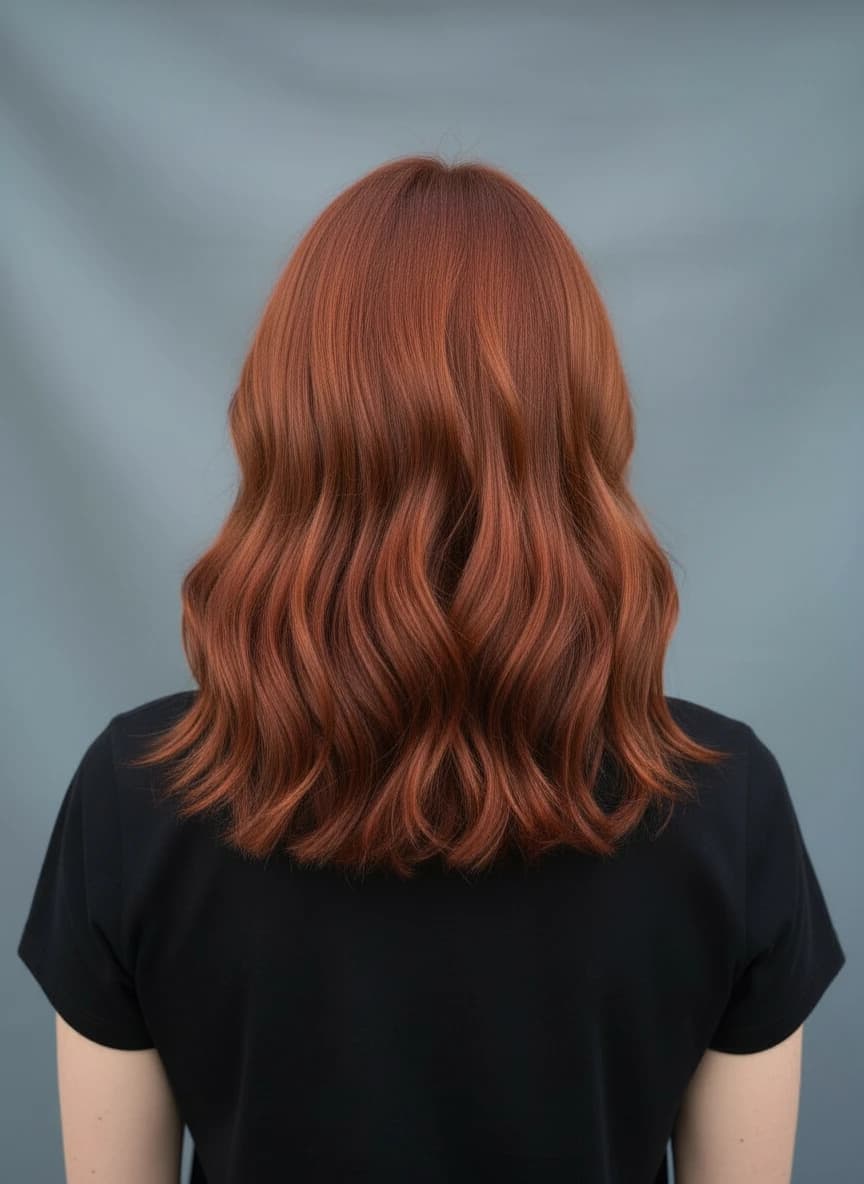
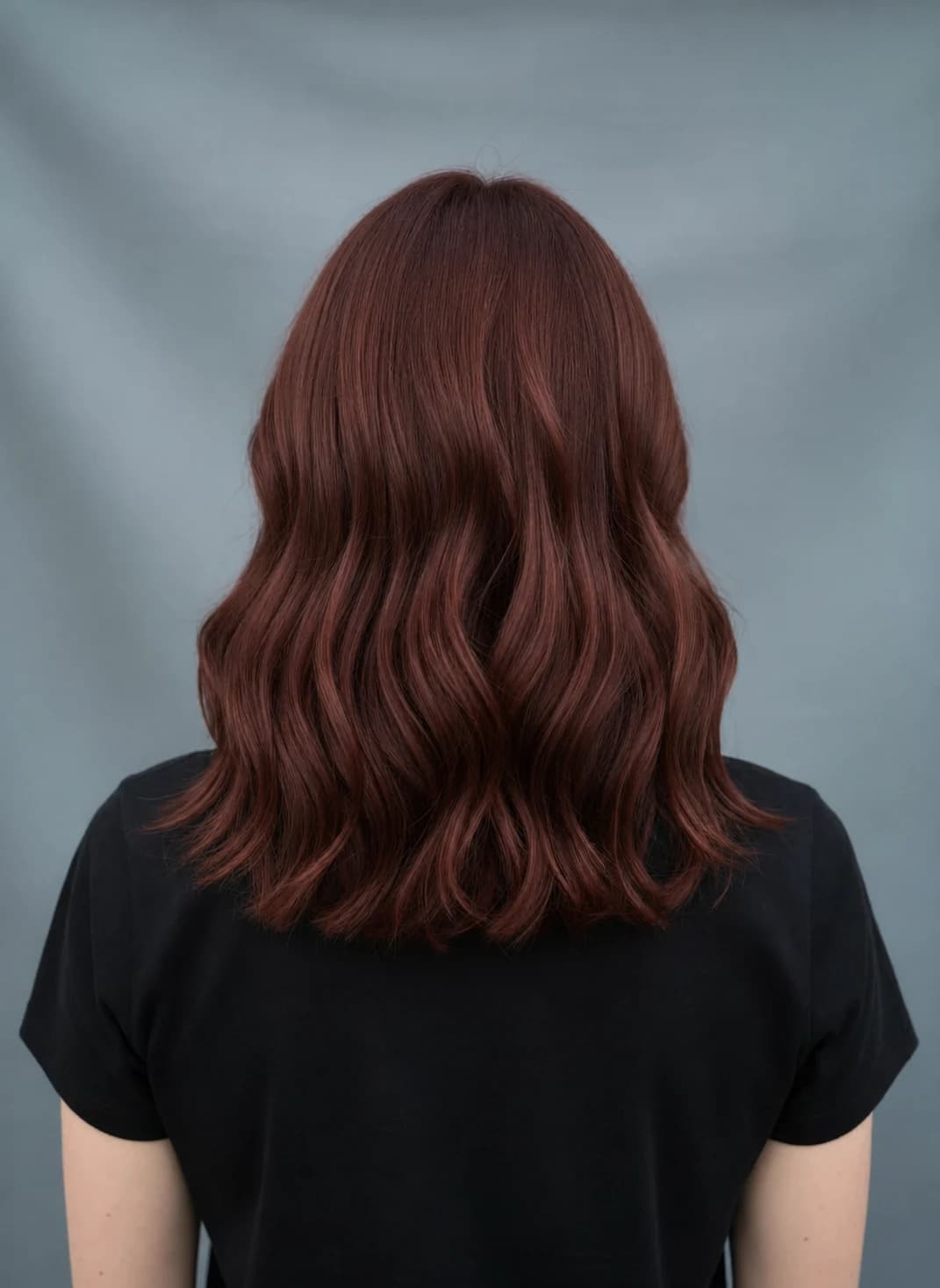
The comparison below uses the same person, rear-facing pose, and similar studio framing so the shade difference is easier to judge than in unrelated inspiration photos. Use it to identify direction, then preview both colors on your own photo before discussing dye formulation with a stylist.

Copper reference for Copper and Auburn ComparisonCopper
Same subject compared with copper and deep auburn hairAuburn
Copper and Auburn Comparison. Preview results vary by photo, lighting, and plan.

Why use it

  • See the orange-red and red-brown difference on one controlled subject.
  • Choose a depth that matches your intended facial contrast.
  • Plan for different fading and refresh needs before coloring.

Best for

  • Choosing a first natural red shade
  • Moving from brown hair toward a warmer result
  • Deciding whether bright copper feels too vivid

Photo tips

  • Judge both shades in neutral daylight as well as indoor light.
  • Compare colors at a realistic depth for your current base.
  • Bring the preferred direction, not an exact screen color, to your stylist.

Use color balance and depth to tell them apart

Copper puts orange and gold closer to the foreground, so it usually reads brighter and more reflective in daylight. Auburn combines red with a stronger brown base, creating more depth and a quieter finish. A light auburn can overlap with dark copper, so describe both the color balance and the desired level instead of relying on the shade name alone.

  • Choose copper when visible orange-gold warmth is central to the look.
  • Choose auburn when you want red character anchored by brunette depth.
  • Compare the mid-lengths in daylight, where copper reflection is easiest to see.

Match the choice to your base and maintenance

On lighter starting hair, copper can appear bright quickly, while deeper auburn may need added brown depth. On dark hair, auburn may be achievable with less visible lift than a luminous copper. Both red families fade, but bright copper often exposes lost vibrancy sooner; auburn can settle toward warm brown as red pigment softens between refreshes.

  • Ask how much lift is needed to make copper look bright rather than muted.
  • Expect auburn to look browner in low light and redder in direct light.
  • Use color-safe care and agree on a refresh plan for the red pigment.

Copper vs Auburn Hair FAQ

Practical answers before you upload a photo or choose a shade.

>What is the main difference between copper and auburn hair?

Copper usually emphasizes brighter orange-gold red, while auburn combines red with a deeper brown base and creates a more subdued result.

>Is auburn darker than copper?

Usually, but not always. Shade names overlap, so compare both depth and the orange-to-brown balance when describing your target.

>Which fades faster, copper or auburn?

Both can lose red pigment. Bright copper often shows a loss of vibrancy more obviously, while auburn may fade toward warm brown.

>Can I compare copper and auburn on dark hair?

Yes. A preview can show the visual directions, but a stylist should assess how much lift each target needs from your actual starting color.

Ready to preview the color?

Upload a clear photo, choose a preset or custom shade, and compare realistic AI hair color ideas before you commit.

Start coloring now

Compare related hair color guides