Green Hair Comparison

Emerald vs Forest Green Hair

Emerald green is brighter and usually carries a blue jewel-tone pull, while forest green is deeper, earthier, and often a little warmer. Compare them at the same depth before choosing a green direction.

A virtual preview clarifies visual contrast on your face; a stylist still needs to assess lift, previous dye, and hair condition before promising a formula.

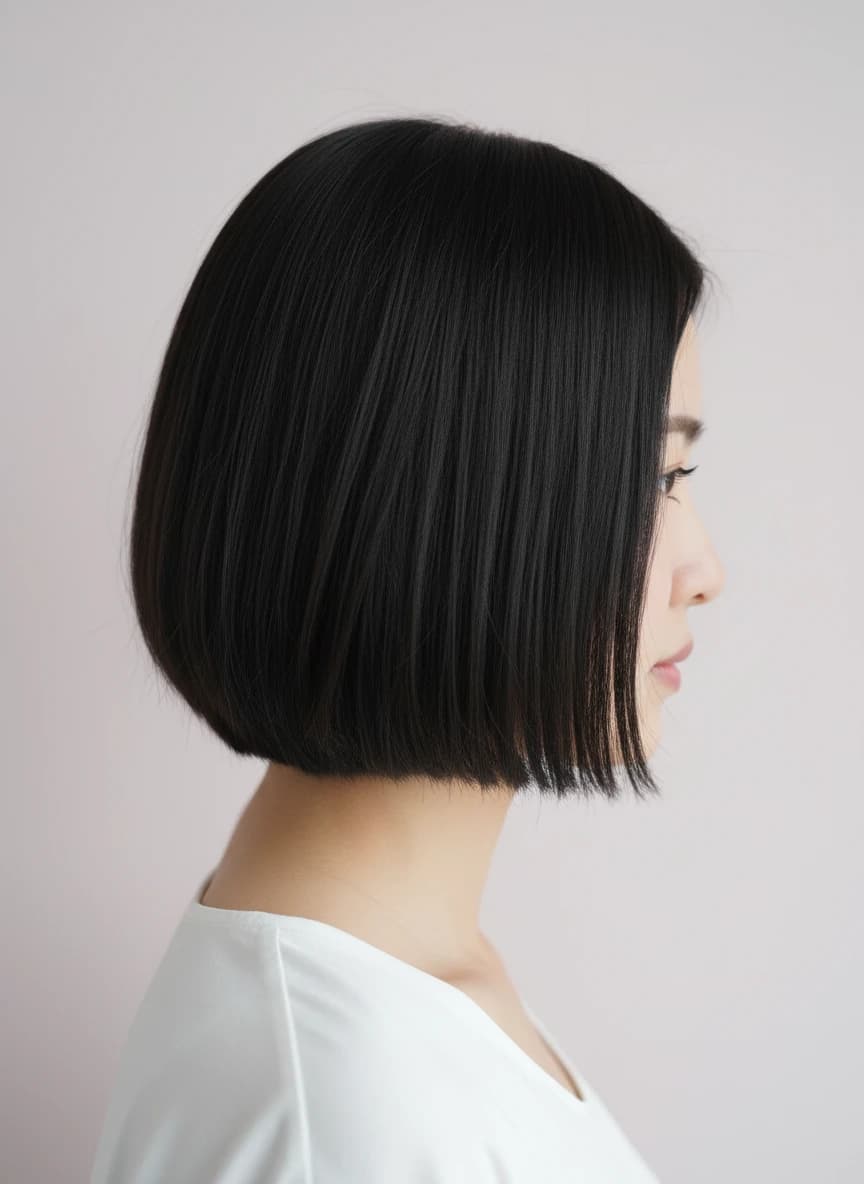
Original portrait used for emerald and forest green shade planningSource photo

Shade directions

Emerald

A vivid blue-green with jewel-tone brightness.

Forest

A deep, grounded green with lower visible brightness.

Deep Teal

A cooler bridge between emerald and dark green.

Green Shade Reference. Preview results vary by photo, lighting, and plan.

Why use it

  • Separate two greens that often look alike in small swatches.
  • Judge brightness and face contrast on one portrait.
  • Bring a clearer hue-and-depth reference to a consultation.

Best for

  • Choosing a more wearable green
  • Comparing jewel tones with earthy greens
  • Planning a vivid color after dark hair

Photo tips

  • Use neutral light so green does not become teal or yellow.
  • Compare the hairline and shaded lengths, not only highlights.
  • Ask about the faded base as well as fresh color.

Compare the undertone before you compare the name

Emerald usually has a clearer blue-green or teal cast, which makes it look brighter and more jewel-like in direct light. Forest green sits deeper and can carry a muted yellow, olive, or smoky note that feels closer to an earthy natural palette. The names are not formula guarantees, so compare the blue or yellow bias at an equal depth. A dark emerald can look almost black indoors, while a lighter forest shade may show more warmth than its name suggests.

  • Choose emerald for visible cool jewel-tone contrast.
  • Choose forest for depth and a more restrained green read.
  • Use a teal control shade when neither option feels quite right.

Keep starting base and fading in the decision

A virtual image can help choose the visual destination, but it cannot make dark hair accept a clean green without the necessary base. Deep forest may remain more visible over a darker lifted base, while bright emerald often needs clearer underlying lightness to avoid muddiness. Green pigment can fade toward yellow, blue, or a muted cast depending on the formula and what sits underneath. Ask a stylist which faded stage your hair is likely to reveal, especially over previous permanent color or porous ends.

  • Bring both a fresh-color and faded-color reference.
  • Request a strand test when old dye makes lift uncertain.
  • Choose a deeper option if frequent bright-color refreshes do not suit your routine.

Emerald vs Forest Green Hair FAQ

Practical answers before you upload a photo or choose a shade.

>Is emerald hair lighter than forest green?

Usually, emerald reads brighter because its blue-green jewel tone reflects more clearly, while forest green tends to look deeper and more muted.

>Which green is easier to wear every day?

Forest green often feels more understated because it has less visible brightness, but the best choice depends on your preferred contrast and workplace context.

>Can dark hair become emerald green?

The visual direction is possible to preview, but a clean bright emerald usually needs enough lift. A stylist must assess your base and hair condition.

>How does green hair fade?

Fading depends on the formula, lift level, porosity, washing, and water. It can soften toward yellow, blue, or a muted green rather than one fixed result.

Ready to preview the color?

Upload a clear photo, choose a preset or custom shade, and compare realistic AI hair color ideas before you commit.

Start coloring now

Compare related hair color guides