Black-to-Light Planning

How to Go Lighter After Black Hair

Going lighter after black hair is a planning question, not simply a choice of blonde swatch. Natural dark hair and repeated black dye create different constraints, and both need a realistic visual target.

A preview can compare dark brown, warm intermediate, and lighter goals. It cannot predict removal speed, color correction feasibility, strand integrity, or exact lift on your hair.

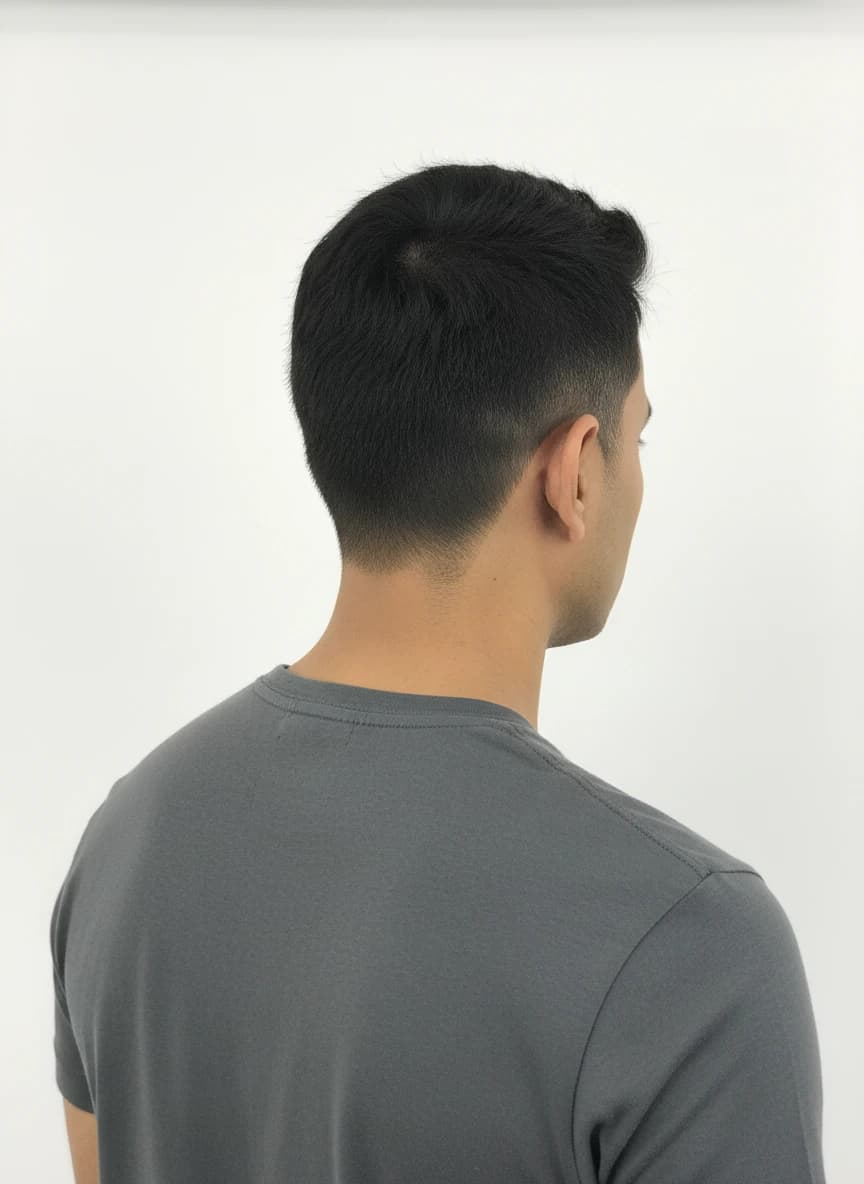
Original dark-hair portrait used for lightening plan comparisonsSource photo

Shade directions

Soft Black

A reference for current dark-frame contrast.

Deep Brown

A possible visual intermediate direction.

Beige Blonde

A lighter target that generally needs more lift planning.

Black-to-Light Shade Reference. Preview results vary by photo, lighting, and plan.

Why use it

  • Separate visual preference from correction feasibility.
  • Compare an intermediate target with a pale goal.
  • Prepare useful color-history questions.

Best for

  • Planning a move away from dyed black
  • Considering blonde after a dark frame
  • Discussing staged lightening with a stylist

Photo tips

  • Bring complete dye history.
  • Ask whether a strand test is useful.
  • Keep a darker intermediate option.

Natural black and dyed black are different starting points

Natural black hair, permanent black dye, repeated box color, and dark color on porous ends can all look similar in a photo while responding differently to lightening. A stylist needs to know what is on the hair before estimating a route to brown, caramel, blonde, or silver. Use a preview to decide whether you prefer a softer intermediate brown or a much lighter destination, but do not treat it as proof that pigment removal will be fast or safe. A staged color path can protect condition and create a wearable result between appointments rather than representing a failed attempt to reach the palest target immediately.

  • Record previous permanent and temporary color.
  • Ask about uneven ends and underlying warmth.
  • Choose an intermediate goal you would genuinely wear.

Plan lift, condition, and correction time together

As black pigment is lifted or removed, warm red, orange, or yellow stages may appear before a clean beige, ash, or platinum result is possible. The number of appointments and safe lift depend on history, porosity, curl pattern, breakage risk, and the desired final brightness. A virtual image cannot measure any of those factors. Compare a realistic brown or caramel fallback beside the lightest goal, then ask a stylist about conditioning, toner, maintenance, and the point at which further processing would compromise strand integrity. The practical choice includes the path, not just the final reference photo.

  • Discuss the acceptable warm stage before processing.
  • Ask how roots and toner will be maintained.
  • Stop or change plans if condition becomes the limiting factor.

How to Go Lighter After Black Hair FAQ

Practical answers before you upload a photo or choose a shade.

>Can I go blonde after black hair?

It may be possible, but dye history, condition, and target brightness determine the safe route and timing.

>Is natural black easier to lighten than dyed black?

They can require different approaches; a stylist needs to assess the exact color history and hair condition.

>Will a color remover make my hair blonde?

It can affect artificial pigment, but it does not guarantee a blonde result or replace a professional condition assessment.

>Can an AI preview show my correction result?

It can show a visual target, not removal speed, strand integrity, chemical feasibility, or exact outcome.

Ready to preview the color?

Upload a clear photo, choose a preset or custom shade, and compare realistic AI hair color ideas before you commit.

Start coloring now

Compare related hair color guides